
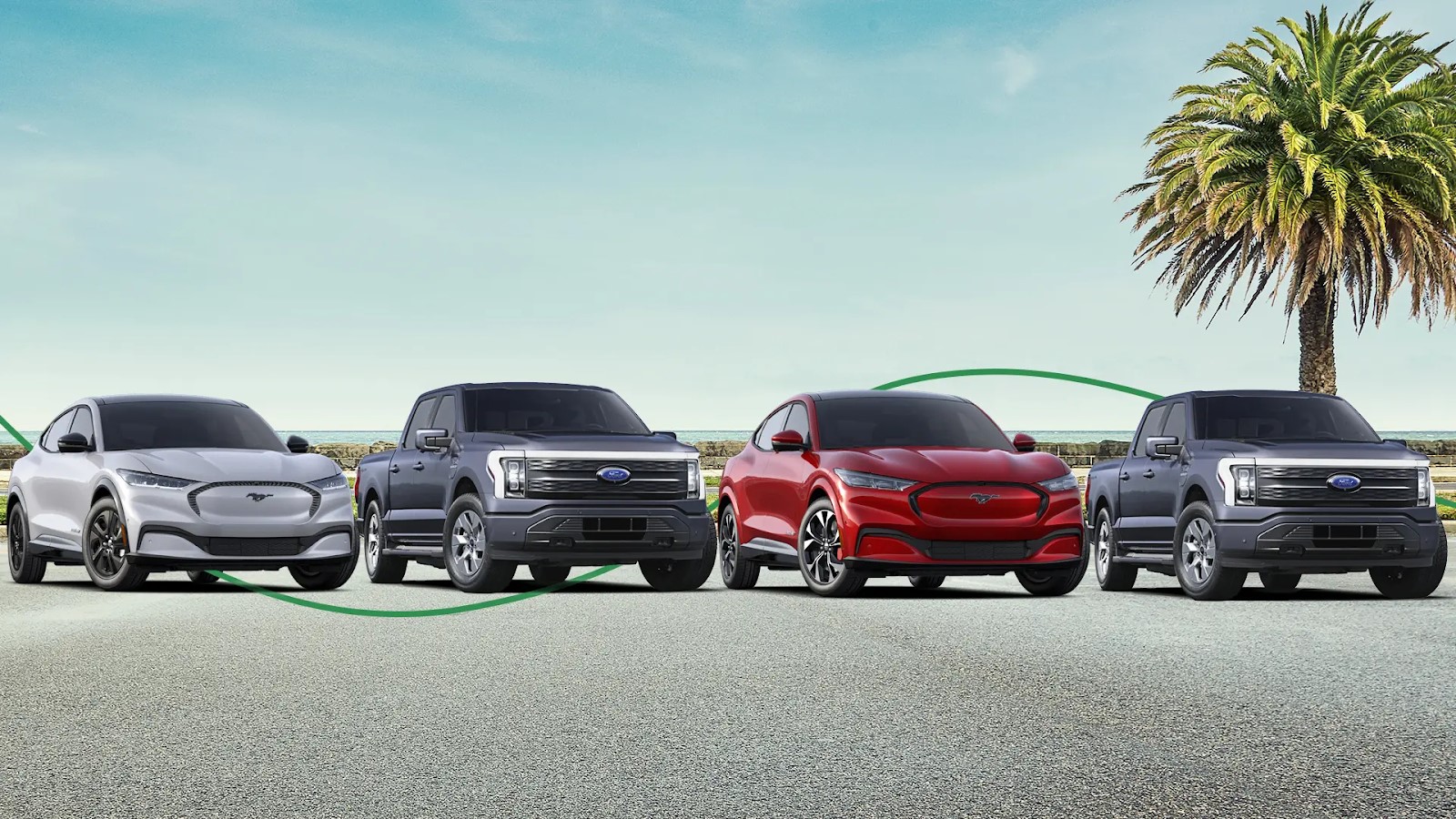
This approach emphasizes affordability, choice, and profitability. Ford will expand powertrain options across its portfolio, including a broad range of hybrids and extended-range electric vehicles, while concentrating pure EV development on the flexible Universal EV Platform for smaller, cost-efficient models. By 2030 Ford expects approximately 50% of global vehicle volume to be hybrids, extended-range EVs or fully electric cars.
To support these goals the company will repurpose U.S manufacturing plants. The Tennessee truck plants on the BlueOval City Campus will produce all new “Built Ford Tough” trucks, while the Ohio Assembly Plant will assemble gas and hybrid-powered commercial vans alongside Super Duty chassis cabs. This shift reinforces Ford’s commitment to American manufacturing and creates thousands of new jobs across the U.S.
Ford is also launching a battery energy storage system (BESS) business to serve growing demand from data centers, utilities, and industrial customers. Production at Kentucky and Michigan plants will leverage LFP prismatic cells and advanced storage modules, targeting 20 GWh of annual capacity by late 2027. This new venture provides a diversified, high-growth revenue stream while supporting the company's broader electrification strategy.
The redeployment of capital will drive profitability improvements across Ford Model e, Ford Blue, and Ford Pro. Model e is now expected to reach profitability by 2029, with gains beginning in 2026. Special items associated with the rationalization of EV-related assets are projected at approximately 19.5 billion, with 5.5 billion in cash effects primarily realized in 2026 and 2027.
These actions demonstrate Ford’s commitment to delivering affordable, capable, and technologically advanced vehicles while maintaining financial discipline and sustainable growth. The company also raised its 2025 adjusted EBIT guidance to about 7 billion (Earnings Before Interests and Taxes) and reaffirmed adjusted free cash flow guidance trending toward the high end of $2 to $3 billion.
Ford's strategy positions the company to meet evolving customer needs, expand its electrified and hybrid offerings, and deliver stronger returns while continuing to invest in American manufacturing and sustainable technologies.